
Water use in pig farming and fish farming at Vision Agribusiness Farm
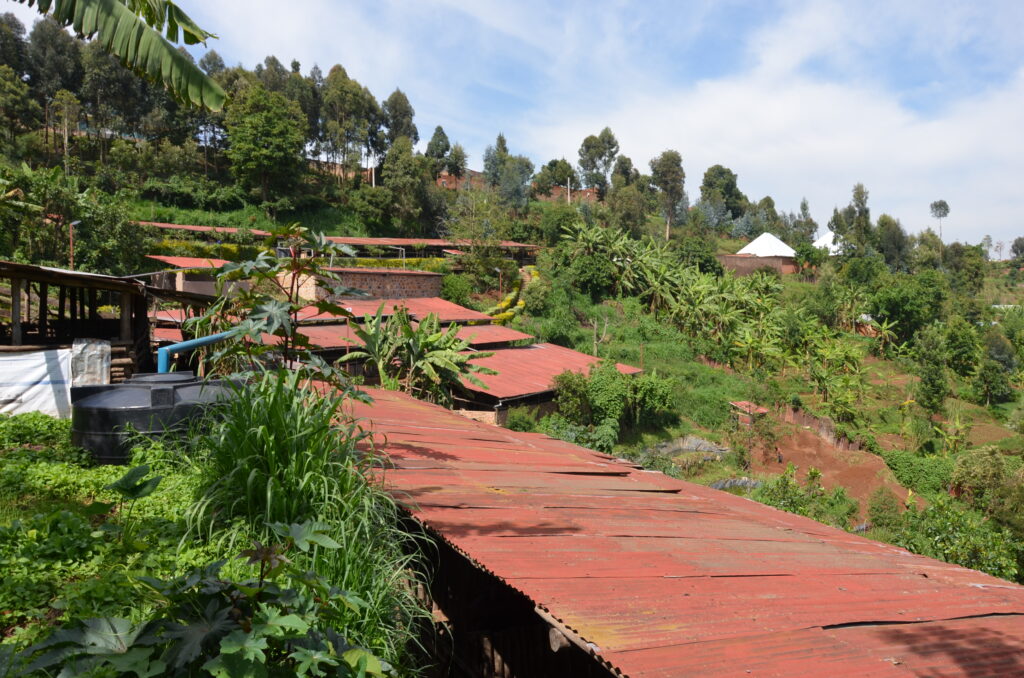
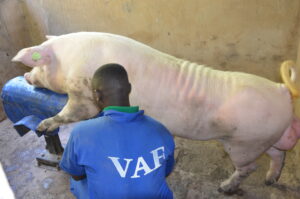
Water use in pig farming Pig farming is an important industry in many countries, and it requires significant amounts of water for the health and well-being of the animals. Pigs require access to clean water for drinking, cooling, and sanitation. Farming practices can have a major impact on the amount of water used and the water quality of the farms. It is important to understand the specific water use needs of pigs to ensure sustainable, efficient, and safe water use. It is important to implement water-saving strategies to reduce water usage and ensure the water quality is maintained. Technologies such as rainwater harvesting, water recycling, and water-efficient irrigation systems can help to reduce water usage and costs. Water conservation practices are essential for sustainable pig farming. Regular maintenance and cleaning of water systems is also important to ensure that the water being used is safe and clean. Regular testing of water should also be conducted to ensure that it meets the necessary water quality standards. Finally, education and training should be provided to farmers to ensure that they understand the importance of water conservation and the need to adopt water-saving practices. Farmers should also be encouraged to adopt water-saving technologies, such as drip irrigation and rainwater harvesting, to reduce their water consumption. Lastly, water conservation should be incentivized through policy and legislation.
Not only the use of water in pig farming, we also use water in our new branch of fish farming that is also integrated to the large pig farm. This is because The importance of mixing pig farming and fish farming lies in the mutual benefits that can be gained by combining the two. Pig farming and fish farming have complementary roles in providing a sustainable food supply. Pig farming provides manure, which can be used as a natural fertilizer for fish farms, and fish farming provides a high-protein feed for pigs. The combination of the two can also lead to increased production and improved efficiency. This increases the economic value of the land and enhances the ability to generate income. Furthermore, the combination of the two can lead to diversified and resilient agricultural production. This helps to reduce the environmental impact of agricultural production and create a more sustainable and sustainable agricultural system. Additionally, it can create jobs in rural areas and help to improve food security.
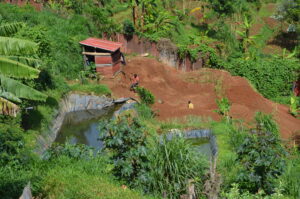
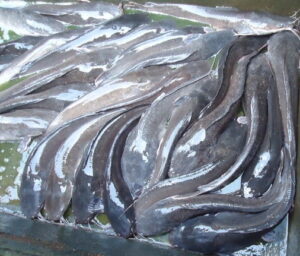
This combination can provide a more sustainable and profitable agriculture system. It reduces the need for chemical fertilizers and pesticides, as the fish waste provides a natural source of nutrients for the crops. This type of integrated system also helps to improve the soil quality and water retention, making it a more resilient and sustainable agricultural system.









Recent Comments